Introduction
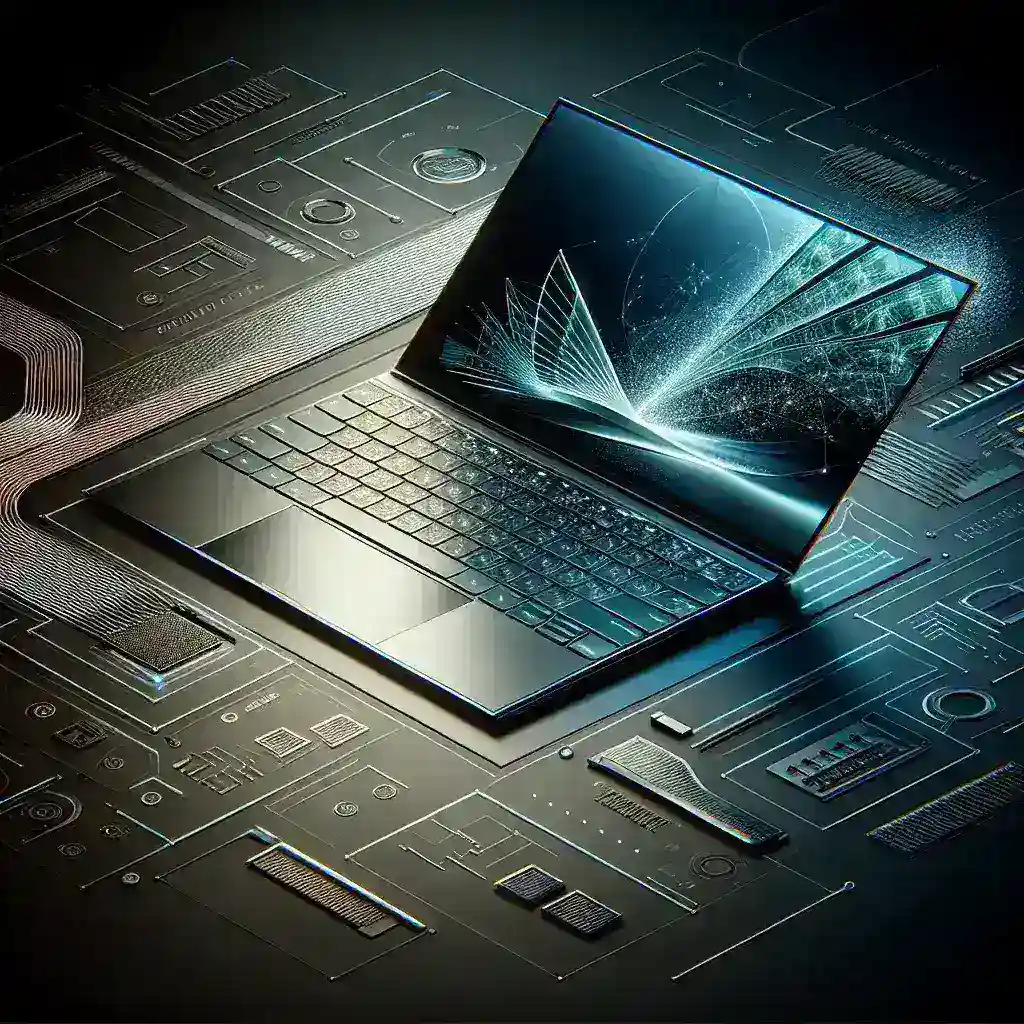
The technological landscape has experienced radical shifts over the past few decades, and one of the most significant advancements has come from Intel’s thin laptop initiative. This endeavor not only revolutionized the laptop design sector but also influenced how manufacturers, designers, and consumers perceive portable computing devices. In this article, we will delve into the impact of this initiative on design, exploring its historical context, benefits, challenges, and predictions for the future.
Historical Context
In the early 2000s, laptops were often bulky and heavy, making them inconvenient for users who sought portability. As technology advanced, the demand for lightweight, high-performance devices surged. Intel recognized this shift and launched the thin laptop initiative, which emphasized the development of ultra-thin laptops without compromising performance.
Intel’s Role in Shaping Thin Laptop Designs
Intel’s investment in research and development led to the creation of more efficient processors, which allowed manufacturers to reduce the weight and size of laptops significantly. The introduction of the Intel Core processor line marked a turning point, enabling laptops to become thinner while maintaining superior processing capabilities.
The Impact of Intel’s Initiative on Design
1. Redefining Aesthetics
With the push for thinner laptops, aesthetics became a significant focus. Manufacturers began to experiment with materials such as aluminum and carbon fiber, opting for sleek, minimalist designs that appealed to consumers. This shift not only enhanced the visual appeal of laptops but also made them more durable.
2. Ergonomics and Usability
Another critical aspect influenced by Intel’s thin laptop initiative is ergonomics. Designers started to prioritize user experience, ensuring that thin laptops remained comfortable for extended use. Features such as backlit keyboards, precision touchpads, and improved hinge mechanisms emerged as design standards.
3. Portability and Performance
The thin laptop initiative emphasized the balance between portability and performance. Users began to demand devices that were not only lightweight but also powerful enough to handle demanding tasks. This led to innovations in battery technology, allowing for longer usage times without the need for frequent charging.
4. Integration of Technology
Intel’s focus on thin laptops also encouraged the integration of advanced technologies. Features such as high-resolution displays, faster connectivity options, and improved graphics became standard. As a result, laptops transformed into versatile devices suitable for various applications, from gaming to professional tasks.
Pros and Cons of Thin Laptop Design
Pros
- Enhanced Portability: Thinner laptops are easier to carry, making them a favorite among students and professionals.
- Sleek Design: The modern aesthetic appeals to consumers looking for stylish computing options.
- Improved Performance: Technological advancements have allowed thin laptops to perform on par with their bulkier counterparts.
Cons
- Limited Upgradeability: Thin designs often come with soldered components, making upgrades challenging.
- Thermal Management: Thinner laptops may struggle with heat dissipation, impacting performance during heavy usage.
- Higher Cost: The advanced materials and technology used in thin laptops can lead to higher prices.
Future Predictions
As we look to the future, the thin laptop initiative is expected to evolve further. We may witness even more emphasis on sustainability, with manufacturers opting for eco-friendly materials. Additionally, advancements in battery technology may lead to laptops that are not only thinner but also capable of lasting days on a single charge.
Cultural Relevance
The influence of Intel’s thin laptop initiative extends beyond just the tech world. It has become a cultural phenomenon, shaping how we work, learn, and communicate. With remote work and digital nomadism on the rise, the demand for portable computing solutions continues to grow, making the thin laptop more relevant than ever.
Conclusion
Intel’s thin laptop initiative has had a profound impact on design, pushing the boundaries of what is possible in the world of laptops. From aesthetic transformations to enhanced usability and performance, this initiative has reshaped the landscape of portable computing. As we move forward, the legacy of Intel’s commitment to innovation will undoubtedly continue to inspire designers and manufacturers alike, paving the way for the next generation of laptops.


Leave a Reply