Introduction
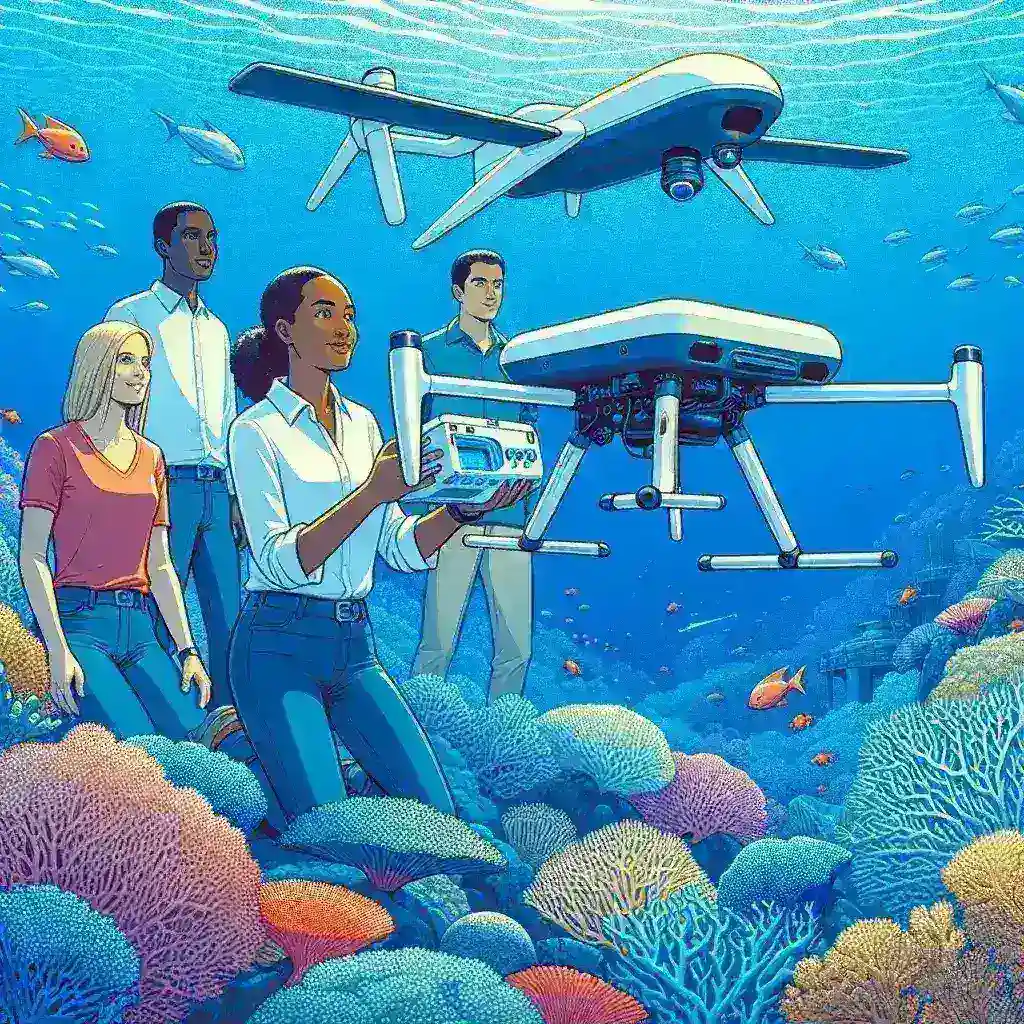
The world of marine research is on the brink of a transformation with the latest release of DJI’s underwater drone. This groundbreaking technology promises to enhance the capabilities of marine researchers across U.S. universities, allowing for more effective exploration and data collection beneath the waves. In this article, we will delve into the features of this innovative underwater drone, its implications for research, and the potential it has to change the landscape of marine studies.
The Evolution of Underwater Drones
Underwater drones have come a long way since their inception. Originally used for military and industrial applications, these unmanned vehicles have found their niche in marine research. They are equipped with cameras, sensors, and various tools that allow scientists to conduct studies with minimal human intervention. DJI, known for its advancements in aerial drone technology, has now ventured into this domain, promising to bring the same level of quality and innovation to underwater exploration.
Why This Release is Significant
The launch of DJI’s underwater drone is particularly significant for marine researchers at U.S. universities. Here’s why:
- Cost-Effective Research: The affordability of DJI’s underwater drone enables more institutions to access advanced technology, leading to greater advancements in marine research.
- Enhanced Data Collection: Equipped with high-resolution cameras and advanced sensors, this drone can capture detailed underwater images and collect vital data that was previously difficult to obtain.
- Accessibility: The drone’s user-friendly interface allows researchers, even those without extensive technical training, to operate it effectively.
Key Features of DJI’s Underwater Drone
DJI’s underwater drone is not just a tool; it is a comprehensive solution for marine research. Here are some of its standout features:
- High-Definition Imaging: With the ability to record 4K videos and capture high-resolution images, researchers can document underwater environments with clarity.
- Real-Time Data Transmission: The drone allows for live-streaming data back to researchers on the surface, enabling immediate analysis and decision-making.
- Autonomous Navigation: Its advanced navigation system allows it to maneuver through complex underwater terrains autonomously, reducing the need for continuous human oversight.
- Extended Battery Life: With a longer battery life than many competitors, researchers can conduct more extensive studies without frequent interruptions.
The Impact on Marine Research
The release of DJI’s underwater drone is set to revolutionize marine research in several key areas:
1. Biodiversity Studies
Understanding marine biodiversity is crucial for conservation efforts. The drone’s ability to access hard-to-reach areas makes it an invaluable tool for documenting marine life and habitats.
2. Environmental Monitoring
Researchers can use the drone to monitor changes in marine ecosystems, such as coral bleaching or pollution levels, providing critical data for environmental conservation initiatives.
3. Education and Outreach
U.S. universities can use these drones as educational tools, allowing students to engage directly with marine environments and gain hands-on experience in marine research.
Challenges and Considerations
While DJI’s underwater drone presents numerous advantages, it also raises some challenges:
- Regulatory Issues: Researchers must navigate legal regulations regarding drone usage in marine environments, which can vary significantly.
- Technical Limitations: Although advanced, the technology is not infallible; drones can experience malfunctions in extreme underwater conditions.
- Training Requirements: While the drone is user-friendly, researchers still require training to operate it effectively and maximize its potential.
Future Predictions
As technology continues to advance, the future of underwater drones looks promising. We can expect:
- Increased Collaboration: More partnerships between universities and tech companies like DJI, leading to further advancements in underwater research tools.
- Enhanced Features: Future iterations of the drone may include AI capabilities for better data analysis and environmental assessments.
- Broader Applications: Beyond marine biology, underwater drones could find applications in archaeology, geology, and environmental monitoring.
Conclusion
DJI’s release of an underwater drone marks a pivotal moment for marine researchers at U.S. universities. By providing state-of-the-art technology that is accessible and cost-effective, DJI is empowering scientists to push the boundaries of marine research. As we move forward, the integration of drones into the scientific community will not only enhance our understanding of the oceans but also foster a greater appreciation for the delicate ecosystems they harbor. As researchers embrace this technology, we can anticipate groundbreaking discoveries that will contribute to the preservation and understanding of our planet’s vital marine environments.

Leave a Reply