Introduction
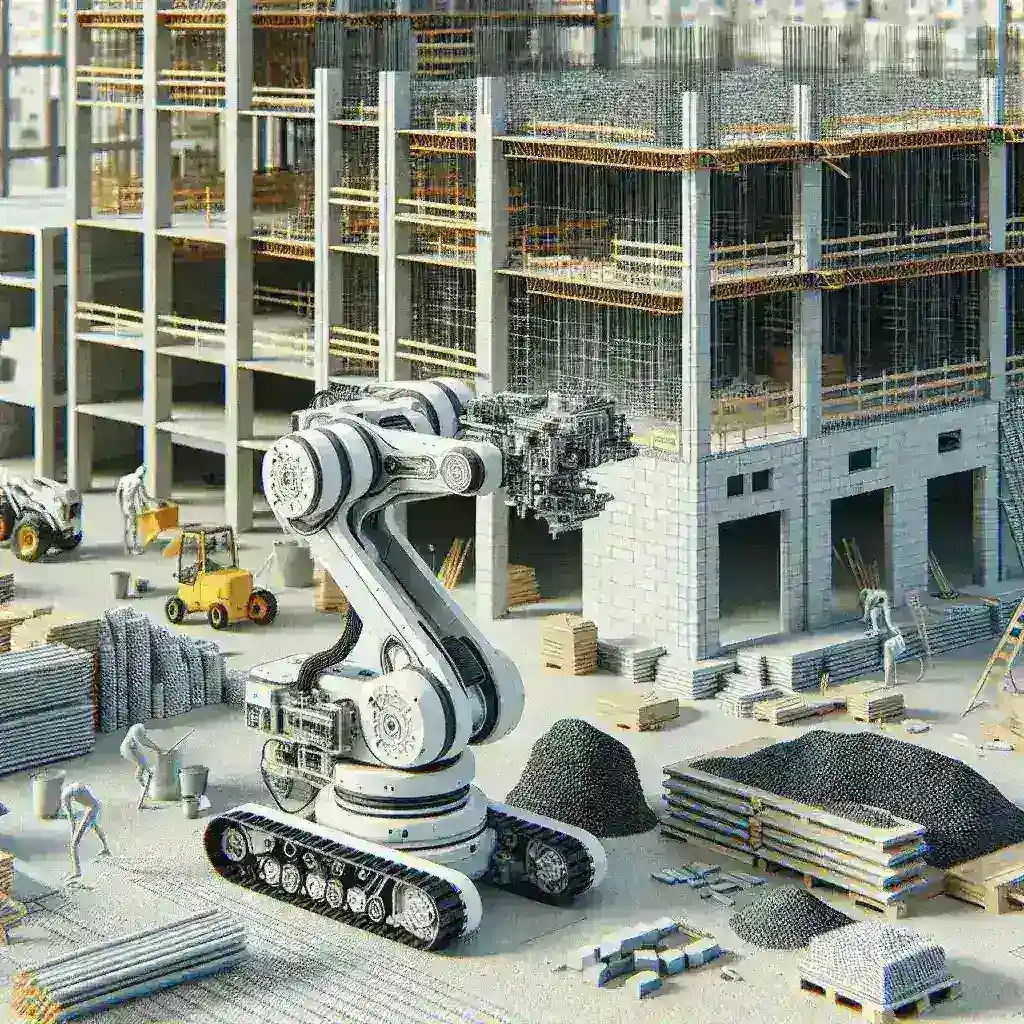
The construction industry is undergoing a transformation driven by technological advancements. Among these innovations, construction robots that utilize 3D printing technology are at the forefront. These robots are capable of printing building structures on-site using local materials, thereby minimizing waste and enhancing sustainability.
The Evolution of Construction Robots
Construction robots have evolved from basic automated machines to sophisticated systems capable of performing complex tasks. Historically, the use of robots in construction was limited to simple tasks such as bricklaying. However, recent developments in 3D printing technology have paved the way for robots that can construct entire structures autonomously.
Historical Context
The concept of 3D printing dates back to the 1980s, but its application in construction is relatively new. In the past decade, companies have begun to explore the potential of using local materials for 3D printing, leading to significant advancements in the field. This not only reduces transportation costs but also supports local economies.
How Construction Robots 3D Print Structures
The Process
The 3D printing process in construction typically involves the following steps:
- Site Analysis: The robot conducts an analysis of the site to determine the best layout and materials.
- Material Selection: Utilizing local materials such as soil, sand, or recycled concrete, the robot prepares the printing mix.
- Printing: The robot uses a nozzle to extrude the material layer by layer, building the structure from the ground up.
- Finishing Touches: After the main structure is printed, final finishes such as insulation and roofing are added.
Benefits of On-Site 3D Printing
There are numerous advantages to using 3D printing in construction:
- Sustainability: By using local materials, construction robots significantly reduce the carbon footprint associated with transportation and resource extraction.
- Speed: 3D printing can drastically shorten construction timelines, allowing projects to be completed in a fraction of the time.
- Cost-Effectiveness: Reduced labor costs and material waste contribute to lower overall project expenses.
Challenges and Limitations
Technical Challenges
Despite the advantages, there are challenges faced by construction robots in the 3D printing realm:
- Material Limitations: Not all materials are suitable for 3D printing, and researchers are continually working to develop new mixtures.
- Regulatory Hurdles: Building codes and regulations can vary significantly, making it difficult for new technologies to gain wide acceptance.
- Skill Gaps: The construction workforce may need training to work alongside robotic technologies.
Future Predictions
As technology continues to advance, the future of construction robots looks promising. It is predicted that:
- By 2030, the majority of construction sites will incorporate some form of automation or robotic assistance.
- New materials will be developed that enhance the strength and durability of 3D printed structures.
- Robots will become more autonomous, capable of adapting to various job site conditions.
Real-World Examples
Several projects worldwide have successfully implemented 3D printing in construction:
- ICON: This American company has developed a construction robot named “Vulcan” that can print homes in 24 hours for less than $4,000.
- Apis Cor: A Russian company known for building an entire house in just 24 hours using a mobile 3D printer.
- 3D Print Canal House: An ongoing project in Amsterdam that aims to create a fully functional house using 3D printing technology.
Cultural Relevance
As the global population continues to rise, the need for affordable housing becomes increasingly urgent. 3D printing with local materials represents a viable solution to address this crisis, especially in developing regions. The ability to create homes quickly and sustainably has the potential to change lives and communities around the world.
Conclusion
Construction robots that can 3D print building structures on-site with local materials are not just a futuristic concept; they are a reality that is reshaping the construction industry. With numerous advantages, including sustainability, speed, and cost-effectiveness, these technologies are paving the way for a new era in building. As we face growing challenges in housing and environmental sustainability, the integration of robotics and 3D printing in construction will play a crucial role in creating a better future.
Call to Action
As we continue to explore the possibilities of construction robots and 3D printing, consider how you can be a part of this exciting transformation in the construction industry. Stay informed about developments, advocate for sustainable practices, and keep an eye on the future of building technology.


Leave a Reply