Introduction
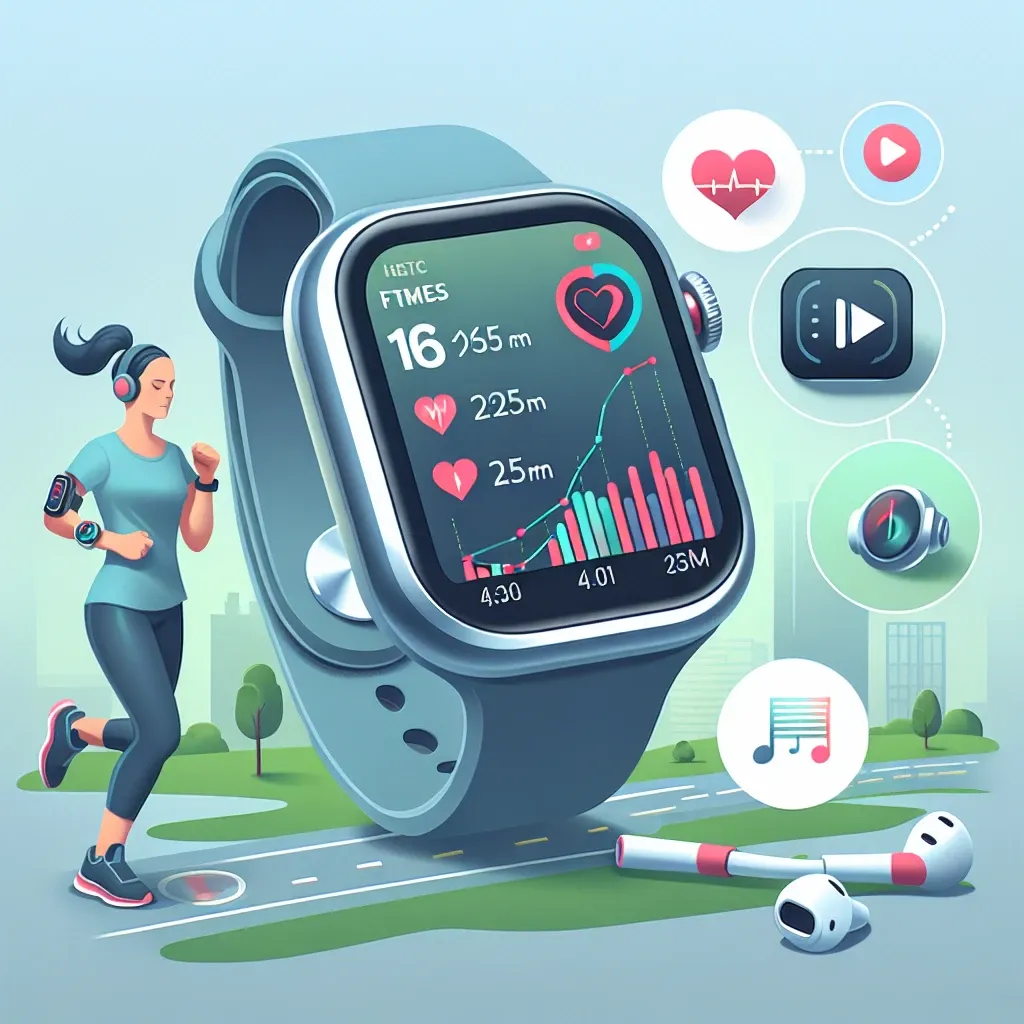
In an era where technology increasingly shapes our lifestyle, Spotify has taken a significant step toward enhancing the fitness experience for users across the United States. With the recent pilot of AI-generated fitness playlists that sync seamlessly with the Apple Watch, the music streaming giant is set to redefine how we engage with our workouts. This article delves into the implications of this innovative partnership, exploring its historical context, potential benefits, challenges, consumer reception, and future predictions.
The Evolution of Music and Fitness
Music and exercise have long gone hand in hand. From the early days of cassette players to the rise of MP3 players and now smartphones, the ability to listen to personalized playlists has transformed the workout landscape. Spotify, launched in 2008, quickly became a leader in streaming music, offering an extensive library and algorithm-driven playlists.
However, the advent of wearable technology, particularly smartwatches like the Apple Watch, has changed how we approach fitness. This device not only tracks our physical activity but also integrates various health metrics, making it the perfect companion for fitness enthusiasts. The collaboration between Spotify and Apple Watch marks a pivotal moment in the convergence of these two worlds.
Understanding AI-Generated Playlists
At the heart of this initiative is Spotify’s advanced artificial intelligence technology, which analyzes user preferences, workout intensity, and even real-time biometric data from the Apple Watch. By leveraging machine learning algorithms, Spotify can create playlists that are not only tailored to individual tastes but also adapt dynamically to the user’s activity level.
How It Works
- Data Collection: The Apple Watch continuously collects data such as heart rate, calories burned, and movement patterns during a workout.
- AI Analysis: Spotify’s AI interprets this data to understand the user’s workout intensity and adjusts the music tempo accordingly.
- Playlist Generation: Based on user preferences and real-time data, Spotify curates a playlist designed to enhance motivation and performance.
- Seamless Integration: Users can control their playlists directly from their Apple Watch, allowing for a hands-free experience.
Benefits of AI Fitness Playlists
The integration of AI fitness playlists synced to the Apple Watch offers numerous advantages:
- Personalization: Each playlist is customized to fit the user’s unique workout style and preferences.
- Increased Motivation: Upbeat and energetic music has been shown to improve workout performance and endurance.
- Real-Time Adaptation: Playlists that change based on workout intensity can help users maintain optimal performance levels.
- Convenience: The ability to control music from the wrist makes for a more streamlined workout experience.
Consumer Reception
Initial feedback from users participating in the pilot program has been overwhelmingly positive. Many fitness enthusiasts have expressed gratitude for a music service that understands their workout needs. For example, a fitness trainer who tested the service reported a noticeable improvement in her clients’ performance, attributing it to the thoughtfully curated playlists.
Challenges Ahead
Despite the promising outlook, Spotify’s pilot of AI fitness playlists is not without challenges:
- Data Privacy: Users may have concerns regarding the collection and use of their biometric data.
- Technical Limitations: Syncing issues or lag in music playback can detract from the user experience.
- Market Competition: Spotify will need to continuously innovate to stay ahead of competitors who may adopt similar technologies.
Future Predictions
As technology continues to advance, the future of AI in fitness playlists appears bright. Here are some predictions:
- Broader Adoption: As the pilot program expands, we can expect more users to embrace AI-generated playlists.
- Enhanced Features: Future updates may include voice commands and tailored workout suggestions based on user performance.
- Partnerships with Fitness Apps: Collaborations with fitness apps could further enrich the user experience, offering a comprehensive health and fitness platform.
Cultural Relevance
In a society increasingly focused on health and wellness, the integration of AI and music in fitness aligns perfectly with contemporary trends. The push for personalized experiences in every aspect of life, from food to fitness, underscores the cultural shift toward tailored solutions.
Conclusion
Spotify’s pilot of AI fitness playlists synced to Apple Watch represents a significant leap forward in the intersection of technology, music, and fitness. By harnessing the power of AI, Spotify is not only enhancing individual workout experiences but also setting a precedent for the future of fitness technology. As we move forward, the anticipation of how this service will evolve and impact our fitness journeys remains high.
For fitness enthusiasts eager to enhance their workout experience, Spotify’s innovative approach is just the beginning of a music-driven fitness revolution.


Leave a Reply